
Every fall, I see it: shopping carts stacked with cans of pumpkin purée, ready to be turned into pies, muffins, and lattes galore. And listen, I am not here to shame you if you’re a pumpkin-can loyalist. But I am here to let you in on a little secret: making your own pumpkin purée is so easy, so budget-friendly, and (brace yourself)… it tastes better. Like, way better. Fresh pumpkin purée is brighter, smoother, and less “mystery-squash” tasting than its tinned cousin.
Plus, there’s just something smugly satisfying about turning a big orange gourd into something magical with your own two hands. You get to say things like, “Oh, this pie? It’s made with pumpkin from scratch.” (Cue the applause. Or the eyerolls. Either way, you win.).
Jump to Video Jump to Recipe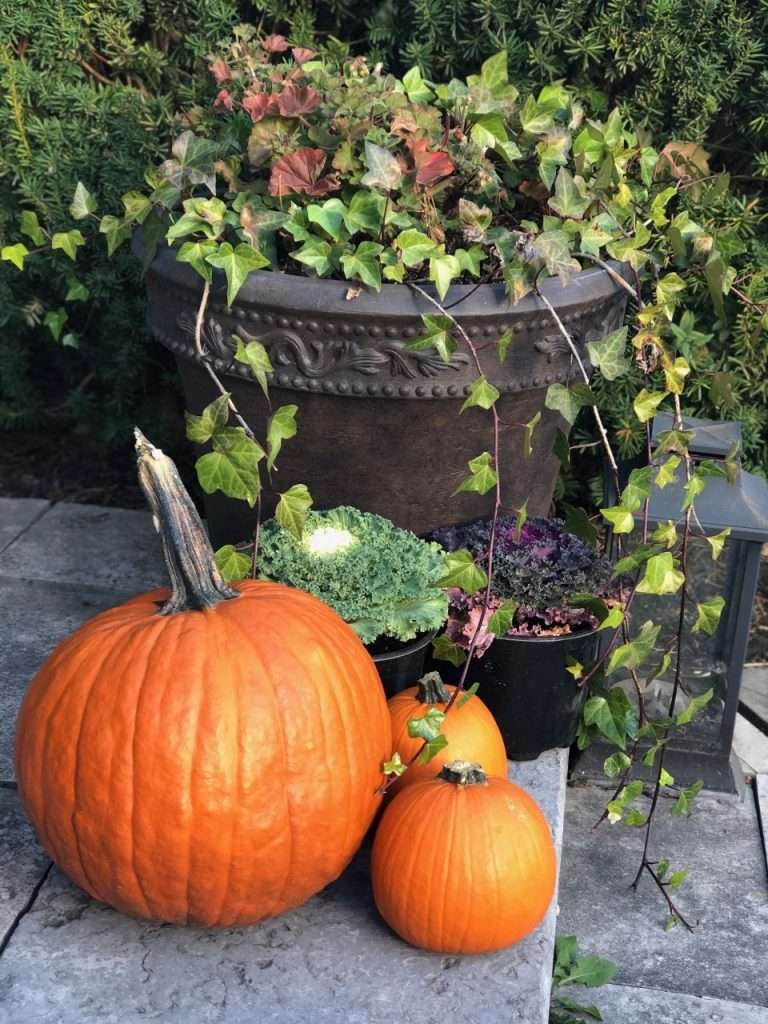
I feel like I need to take a poll…
How many of you like pumpkin? Or should I say, how many of you love pumpkin? Because I feel like it is this weird food source that people either love or hate…kinda like rhubarb.
Can I get an aaaamen for rhubarb?
And another aaaamen for pumpkin?
So, hear me out. If you hate rhubarb, then I can’t help you (except, I swear I have turned many a rhubarb hater into a rhubarb lover with this recipe for Buttery Rhubarb Oatmeal Crumble Bars) But if you are a pumpkin hater, all I want to say is it’s not all what it pretends to be.
I mean, if you only think about pumpkin pie when you think about pumpkin – and you hate pumpkin pie – then you need to re-visit pumpkin. So many recipes that use pumpkin are about the spices (and if you don’t love “pumpkin spice” which is generally cinnamon, cloves, nutmeg and ginger, then you just need to take out the spices!).
Pumpkin, when added to baked goods, ensures a moistness like no other (think about adding applesauce…same thing…you don’t taste the apple, you just get lots of moisture!)
So now you’re thinking, “maybe I should keep a few cans of pumpkin puree (not pumpkin pie filling which has all the spices and added sugar) in the pantry”. The short answer is ‘yes you should’ (I’m all for having a can or two of ED Smith in your pantry, but I also think you should try and make your own too). The long answer is, if you decorate your house like most people, you probably have a big pumpkin which will be carved into a jack-o-lantern and a few pie pumpkins (sometimes called sugar pumpkins and are used to make pumpkin pie). Most people will put them all in their green bin when Halloween is over (if the squirrels haven’t gotten them yet) but you really NEED TO MAKE YOUR OWN PUMPKIN PUREE!!!!!!!
Sorry for screaming but this stuff is important…not like ‘solve world hunger important’ but like ‘don’t waste perfectly good food’ important (so kinda close)..
Soooo let’s get into the pumpkin-y details. By the end of this post, you’ll be ready to roast, blend, store, and whip up all the pumpkin purée you’ll ever need.
Why You’ll Love This Recipe
- Flavor, flavor, flavor – Canned pumpkin is fine. But fresh pumpkin purée is lighter, fresher, and sometimes even sweeter.
- No mystery – Did you know canned “pumpkin” often isn’t pumpkin at all but other winter squashes like butternut or Hubbard? When you make it yourself, you know exactly what’s inside.
- Budget-friendly – Pumpkins are cheap, especially in the fall. For the price of one big pumpkin, you can get the equivalent of several cans of purée.
- Versatile – This isn’t just for pies! Pumpkin purée can sneak into soups, pasta sauces, breads, smoothies, pancakes, and even dog treats.
- Freezer gold. Make a batch now, freeze it in portions, and you’ll be the fall MVP for months.
Ingredients (It’s Just One, But Let’s Have Fun With It)
- Pumpkin. Yup, that’s it. But not just any pumpkin. For the best flavor and texture, use sugar pumpkins (also called pie pumpkins). They’re small, round, and about 2–5 pounds each. They have sweeter flesh and less water than those giant jack-o’-lantern pumpkins (you an use these as well but you’ll have to roast them a bit more because they have more water).
Optional flavor helpers if you’re feeling extra:
- Olive oil – for brushing the cut sides before roasting. Helps caramelization.
- Pinch of salt – brings out the natural sweetness.
Substitutions, Add-Ins, and Flavor Fun
Because I know you like to jazz things up:
- Other Squash: Can’t find a sugar pumpkin? No worries. Butternut squash, kabocha, or Hubbard squash all make fantastic purée with a similar flavor. In fact, many pros prefer butternut because it’s sweeter and creamier.
- Roasting spices: Toss a sprinkle of cinnamon, nutmeg, or smoked paprika on your pumpkin before roasting. It gives the purée a subtle background note—perfect if you know it’s headed into baked goods or savory dishes.
- Savory version: Mix in roasted garlic, a drizzle of olive oil, and a pinch of cumin while blending. Suddenly, you’ve got a soup base or pasta sauce ready to roll.
- Chunky vs. Smooth: If you like texture, mash instead of blending. For baby food or custards, go silky smooth with a food processor.
How to Make Homemade Pumpkin Purée
Okay, apron on. Let’s do this.
Equipment:
- Sharp chef’s knife
- Large spoon (to scoop seeds)
- Baking sheet
- Parchment paper (for easy cleanup)
- Food processor or blender (or a potato masher if you want rustic texture)
Ingredients:
- 1–2 small sugar pumpkins (about 2–5 pounds each)
- Olive oil (optional)
- Pinch of salt (optional)
Instructions:
- Preheat the oven to 375°F (190°C).
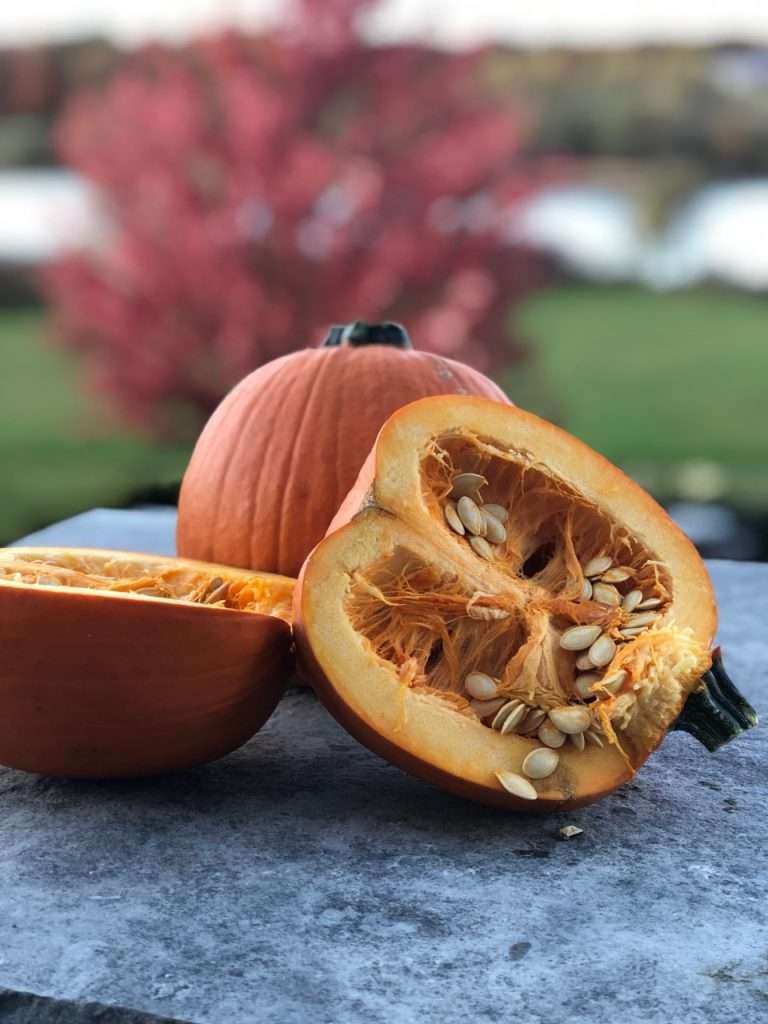
- Slice the pumpkin in half (careful—it’s a workout). Now you can go ahead and roast them like this or you can scoop out the seeds and stringy insides now. Save the seeds if you want roasted pumpkin seeds later.
- Place pumpkin halves cut-side down on a parchment-lined baking sheet. Brush with a little olive oil if you like.
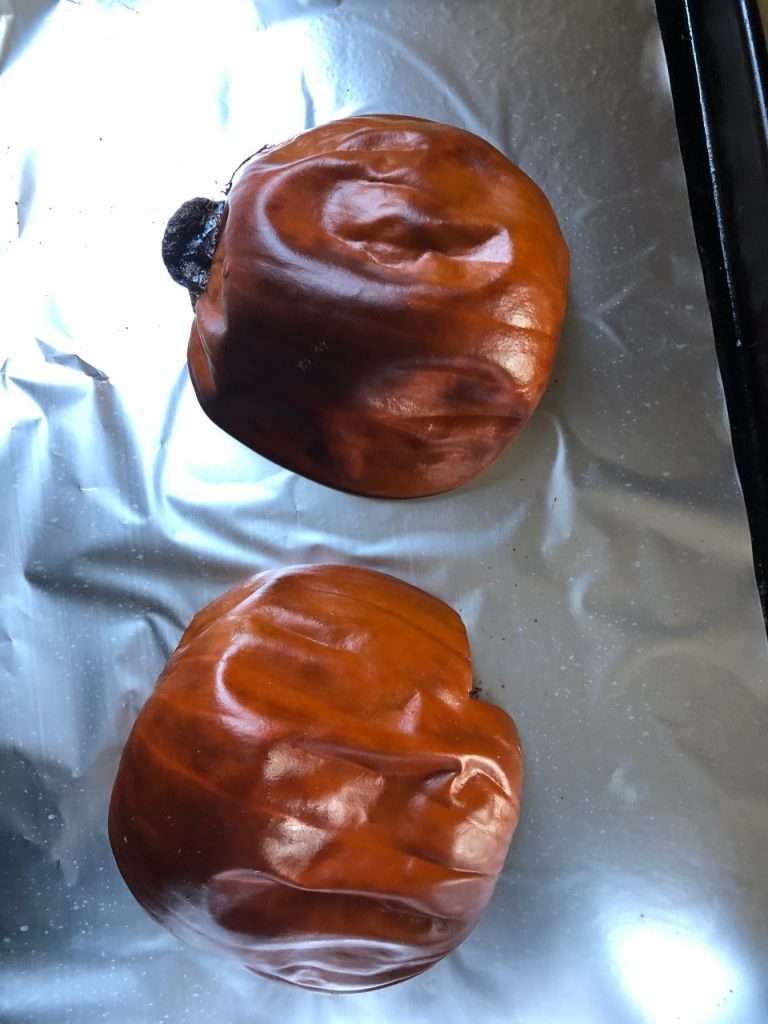
- Roast for 40–50 minutes until the flesh is fork-tender and collapsing a little.
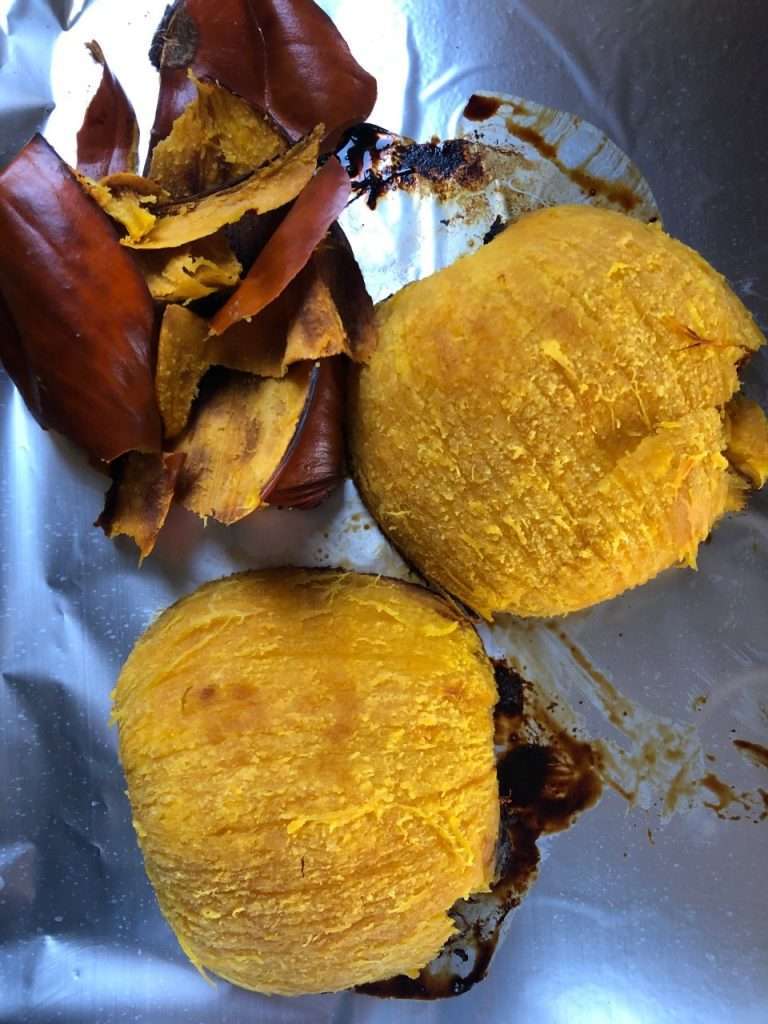
- Cool slightly, and if you haven’t taken out the seeds, do it now, then scoop out the flesh.
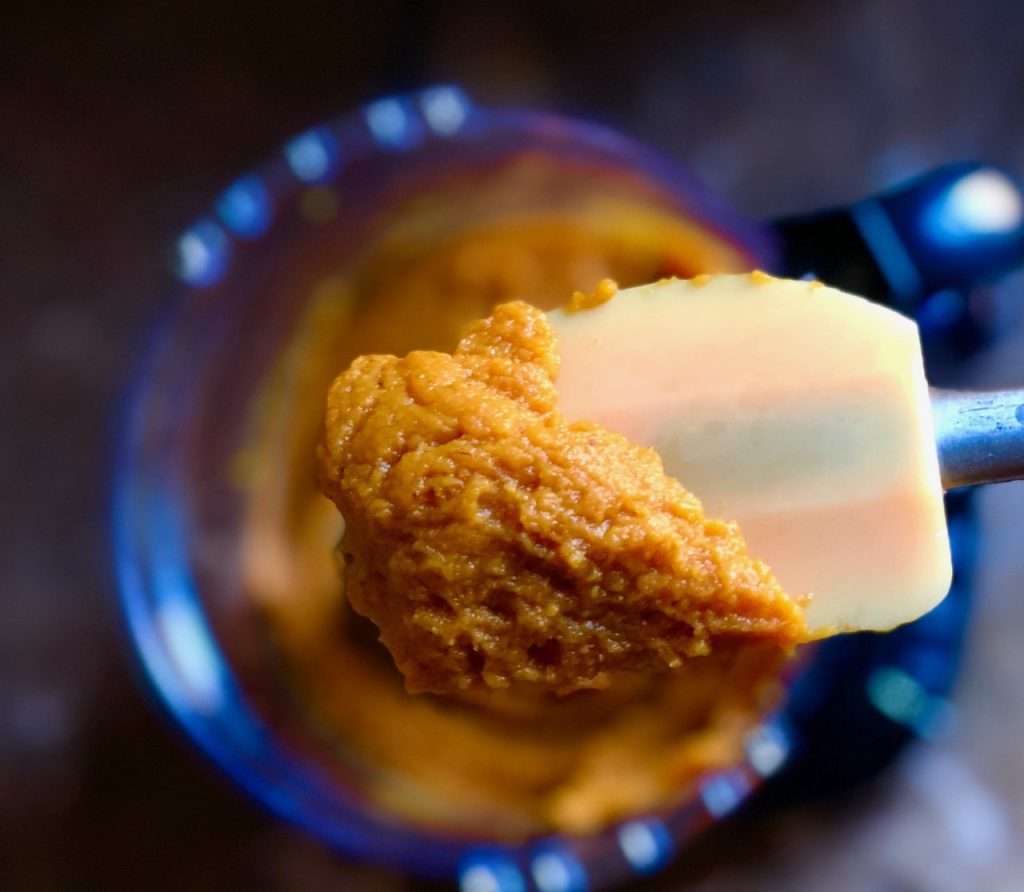
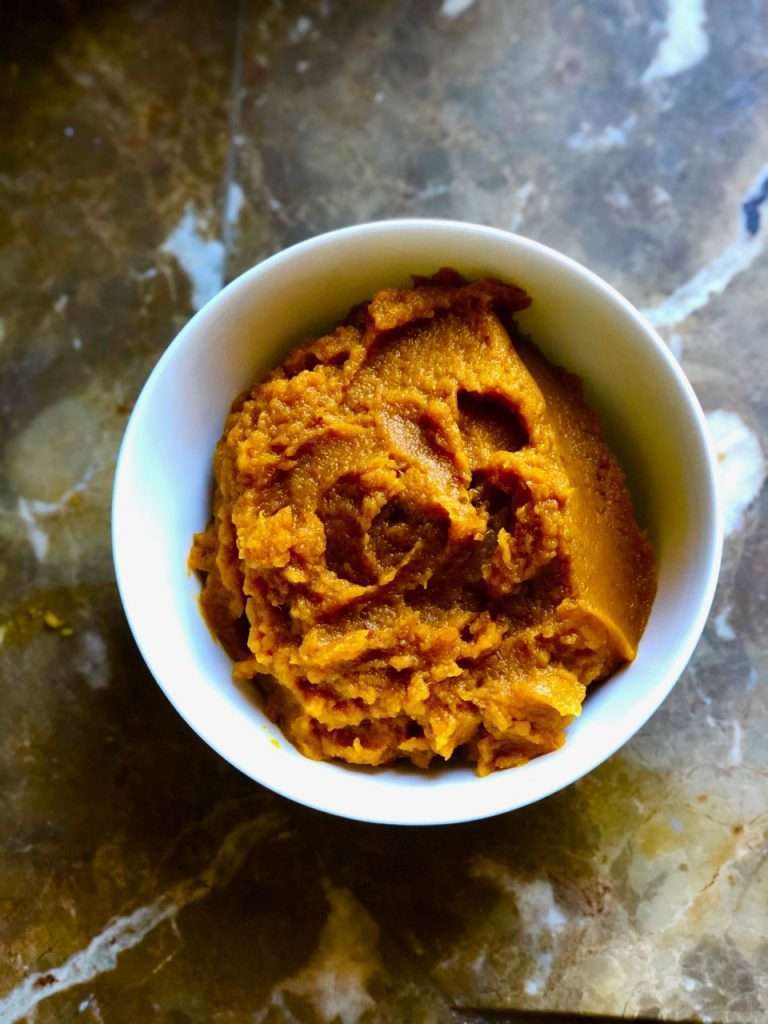
- Blend or process until smooth. If it’s watery, strain it through a fine mesh sieve or cheesecloth for 30 minutes.
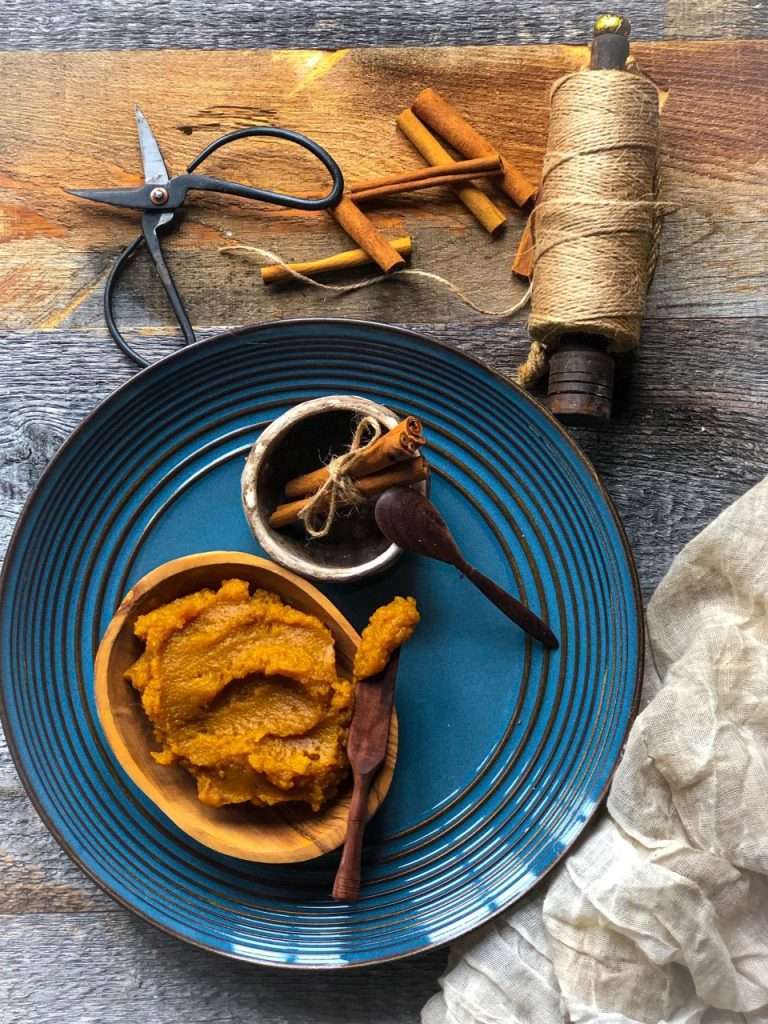
- Ta-da! Homemade pumpkin purée is yours.
Storing, Freezing, and Make-Ahead Tips
- Fridge: Store in an airtight container for up to 1 week.
- Freezer: Portion into 1-cup or 2-cup bags or containers (roughly the same size as canned pumpkin). Freeze flat for space-saving. It lasts 6 months–1 year.
- Defrosting: Thaw overnight in the fridge or give it a warm water bath if you’re in a rush.
- Pro tip: Freeze in ice cube trays if you want smaller amounts for smoothies or baby food.
What To Do With Homemade Pumpkin Purée
Oh, the possibilities! Here are a few blog recipes you might want to try with your fresh purée (link these to your own posts):
- Pumpkin Protein Pancakes – because you know I love sneaking protein into nostalgic breakfasts.
- My Chocolate Beet Cake with High Protein Cheesecake – swap some of the beet purée for pumpkin and you’ve got a fall twist.
- Pumpkin Soup with Crispy Croutons – cozy, easy, and freezer-friendly.
- Morning Smoothie – If you’re not into baking, freeze the puree in ice cube trays and add them to your morning smoothie (it is a great source of potassium and beta-carotene, which converts to vitamin A. It also contains some minerals like calcium and magnesium, as well as vitamins E, C and some B vitamins)
- Pumpkin Muffins – because duh. Everyone needs a go-to pumpkin muffin recipe (try mine in the cookbook!!).
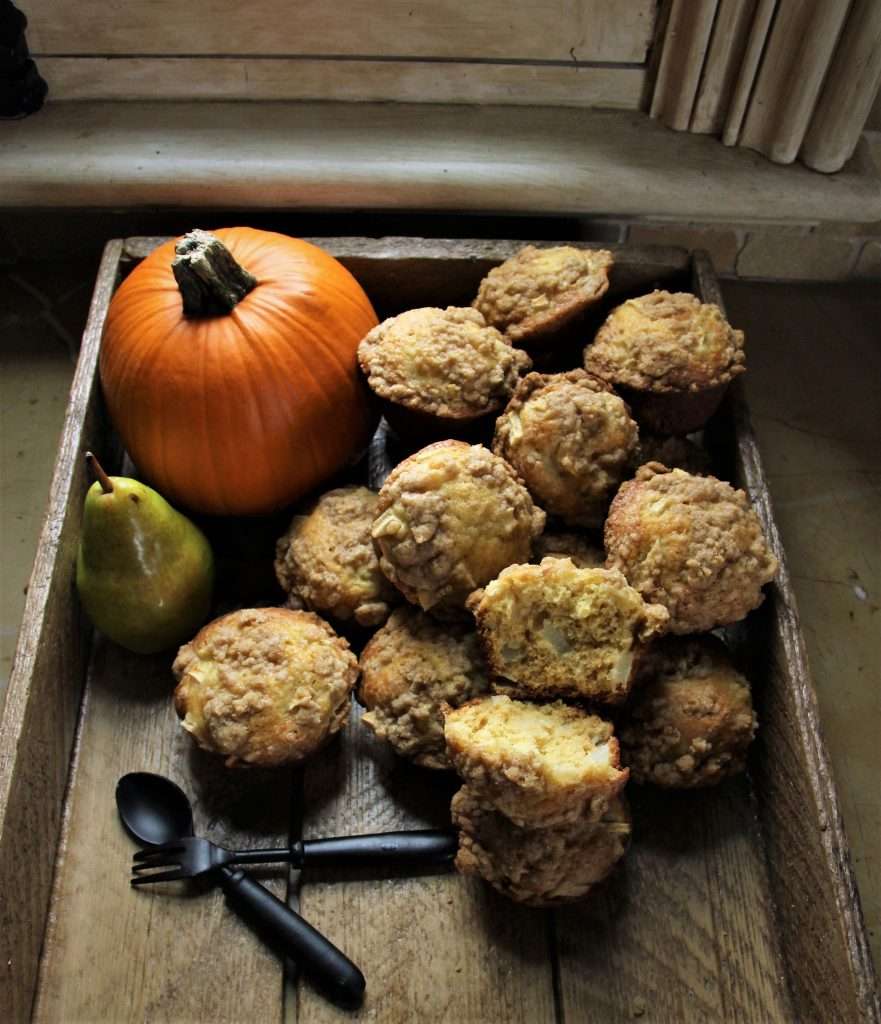
What Just Crumbs Recipes Can You Make With Homemade Pumpkin Puree?
- Pumpkin Streusel Cake – great to have with your morning tea!!
- Gluten free quinoa pumpkin muffins – I have this recipe on the blog and they are so yummy! They use my gluten free flour blend) and are topped with fabulous cream cheese icing! I mean, you’ve been so good to eat gluten free, what’s a few more calories!?!
- The Easiest One Bowl Pumpkin Loaf Cake – The prettiest cake you ever did see!
- Tender Glazed Pumpkin Scones – Like Starbucks…but better!!
- The Easiest Apple and Pumpkin Flan – Two flavours of fall in one dish!!
Final Thoughts
Making pumpkin purée at home isn’t about reinventing the wheel. It’s about realizing that sometimes the simplest DIYs make the biggest difference in flavor, texture, and pride. Canned pumpkin is convenient, but homemade pumpkin purée makes your pies silkier, your soups richer, and your autumn kitchen smell like a bakery married a pumpkin patch.
So, next time you see those cute sugar pumpkins at the market, grab a few. Roast, blend, freeze. You’ll thank yourself when Thanksgiving rolls around, and you can casually mention, “Oh yes, I made this pie filling myself, from fresh pumpkin.” (Smug face optional.)
Now—what’s the first recipe you’re going to make with your pumpkin gold?
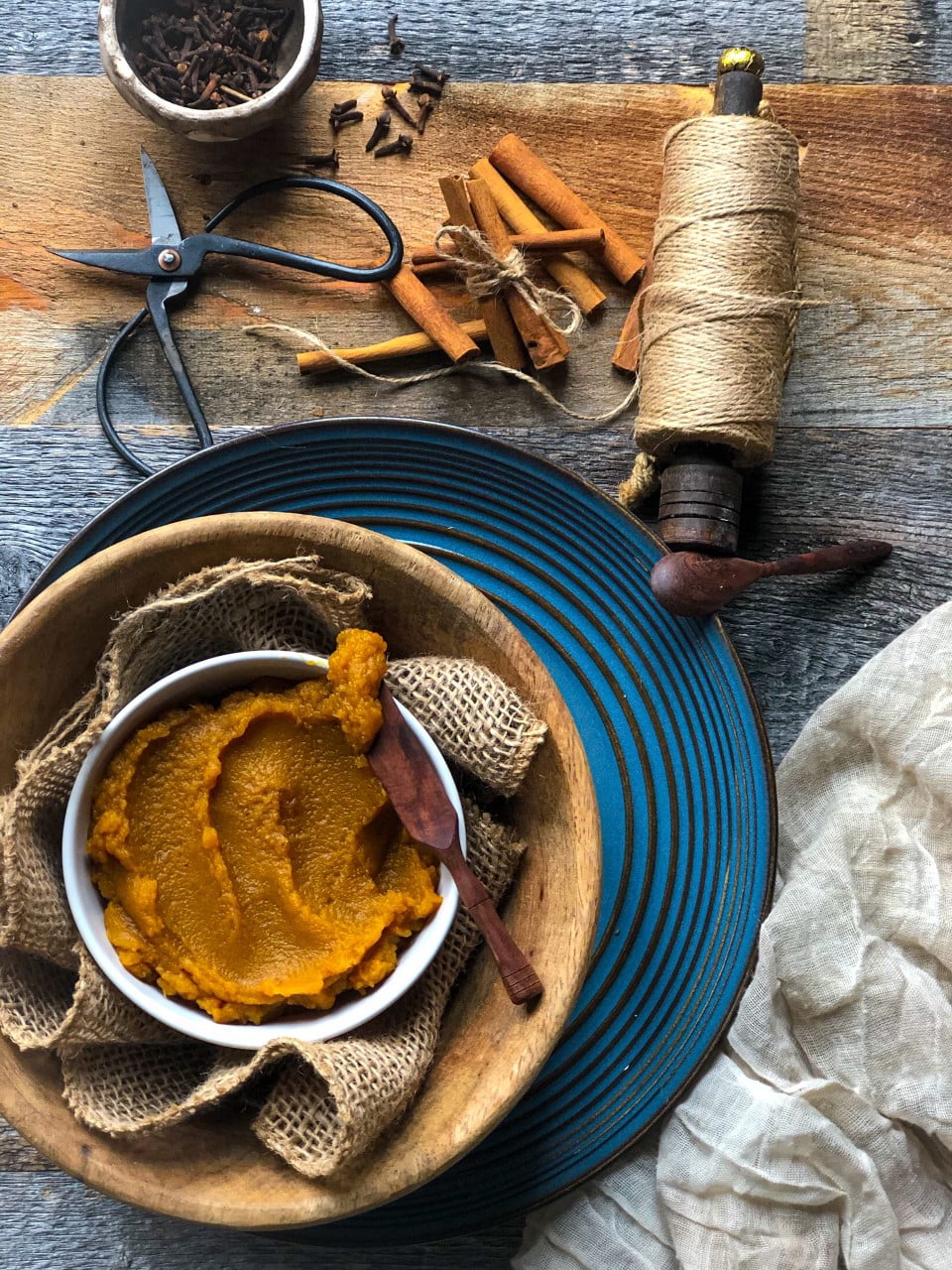
How to Roast Pumpkin
Ingredients
- 1 2-3 lb. sugar pumpkin
- 1 Tbsp coconut or olive oil
Instructions
- Preheat oven to 375°F and line a baking sheet with foil or parchment paper.
- Using a sharp knife, cut pumpkin in half lengthwise (you can use a sharp spoon - I like to use a grapefruit spoon - to scrape out all of the seeds and strings now or after you roast the pumpkin).
- Brush the pumpkin flesh with oil and place flesh down on the baking sheet. Pierce skin a few times with a fork to let steam escape.
- Bake for 45-50 minutes or until a fork easily pierces the skin. Then remove pan from the oven and let the pumpkin cool until it is cool enough to handle (10 minutes) then scoop out the seeds if you haven't already (you can roast the seeds if you like).
- When it is cool enough, turn into purée by peeling away the skin (or simply scooping pumpkin out) into a high-speed blender or food processor and blend until creamy and smooth, making sure to scrape down the sides until it is completely lump free (add a touch of water if you are having trouble getting it to a smooth consistency.
- Baked pumpkin and pumpkin purée will keep covered in the refrigerator up to 1 week, or in the freezer for 2-3 months



0 Comments
Trackbacks/Pingbacks